November 19, 2025
Asphalt is one of the most widely used materials in modern infrastructure development, relied upon for everything from highways and commercial parking lots to residential driveways. Its widespread use is no coincidence—paving contractors continue choosing asphalt because it delivers consistent, long-term value. Asphalt is a composite material engineered to handle demanding traffic conditions, fluctuating climates, and the constant wear associated with daily use. According to the American Foundry Society, asphalt helps make up over 2 million miles of paved area in the United States, demonstrating its central role in the nation’s transportation system. Understanding the reasons behind asphalt’s popularity helps property owners and municipalities make informed decisions when planning future paving projects. The following sections break down the six key reasons paving contractors rely on asphalt and how those advantages shape the quality, durability, and efficiency of paved surfaces.
1. Long-Term Strength That Withstands Heavy Use
Paving contractors consistently select asphalt because of its proven durability. Roads, driveways, and parking areas experience constant stress from vehicles, weather, and environmental changes. Asphalt’s composition allows it to withstand these pressures without rapid deterioration. Its flexible yet strong design helps prevent issues such as cracking, pothole formation, and surface fatigue, especially in high-traffic areas. This makes it an ideal choice for highways, busy commercial centers, and municipal road systems that must handle continuous use. When paving contractors evaluate long-term performance, asphalt frequently outperforms competing materials.
Climate adaptability also contributes significantly to asphalt’s longevity. In regions where temperatures fluctuate drastically, asphalt responds by expanding and contracting naturally without compromising structural integrity. This prevents widespread cracking and reduces the need for repeated repairs. From scorching summers to harsh winters, asphalt maintains its stability, making it a dependable choice nationwide.
2. Project Costs That Remain Manageable from Start to Finish
Cost efficiency is a major factor influencing material choice for paving contractors. Asphalt delivers valuable savings from installation through long-term maintenance, making it a fiscally responsible option for property owners, developers, and municipalities. One of its key advantages is its lower initial installation cost compared to materials like concrete. Asphalt requires less energy during production and can be installed quickly, reducing both labor hours and project timelines. These efficiencies help paving contractors stay on schedule and provide clients with competitive pricing.
Over time, asphalt continues to provide economic benefits through reduced maintenance expenses. Because the material is inherently durable, it requires fewer large-scale repairs throughout its lifespan. When maintenance is needed, procedures such as resurfacing or patching are typically straightforward and cost-effective. Asphalt’s ease of repair means crews can resolve issues quickly without shutting down roadways or disrupting business operations. Paving contractors value these advantages because they help clients maintain high-quality surfaces without overspending.
Lifecycle cost efficiency is another factor that positions asphalt ahead of alternative solutions. While some materials may have higher upfront costs or require more intensive repairs, asphalt combines affordability with long-term performance. This balance makes it easier for organizations and communities to maintain infrastructure responsibly. For paving contractors, offering a cost-effective material that still performs exceptionally well strengthens project outcomes and client satisfaction.
3. Faster Installation and Repair Timelines for Busy Environments
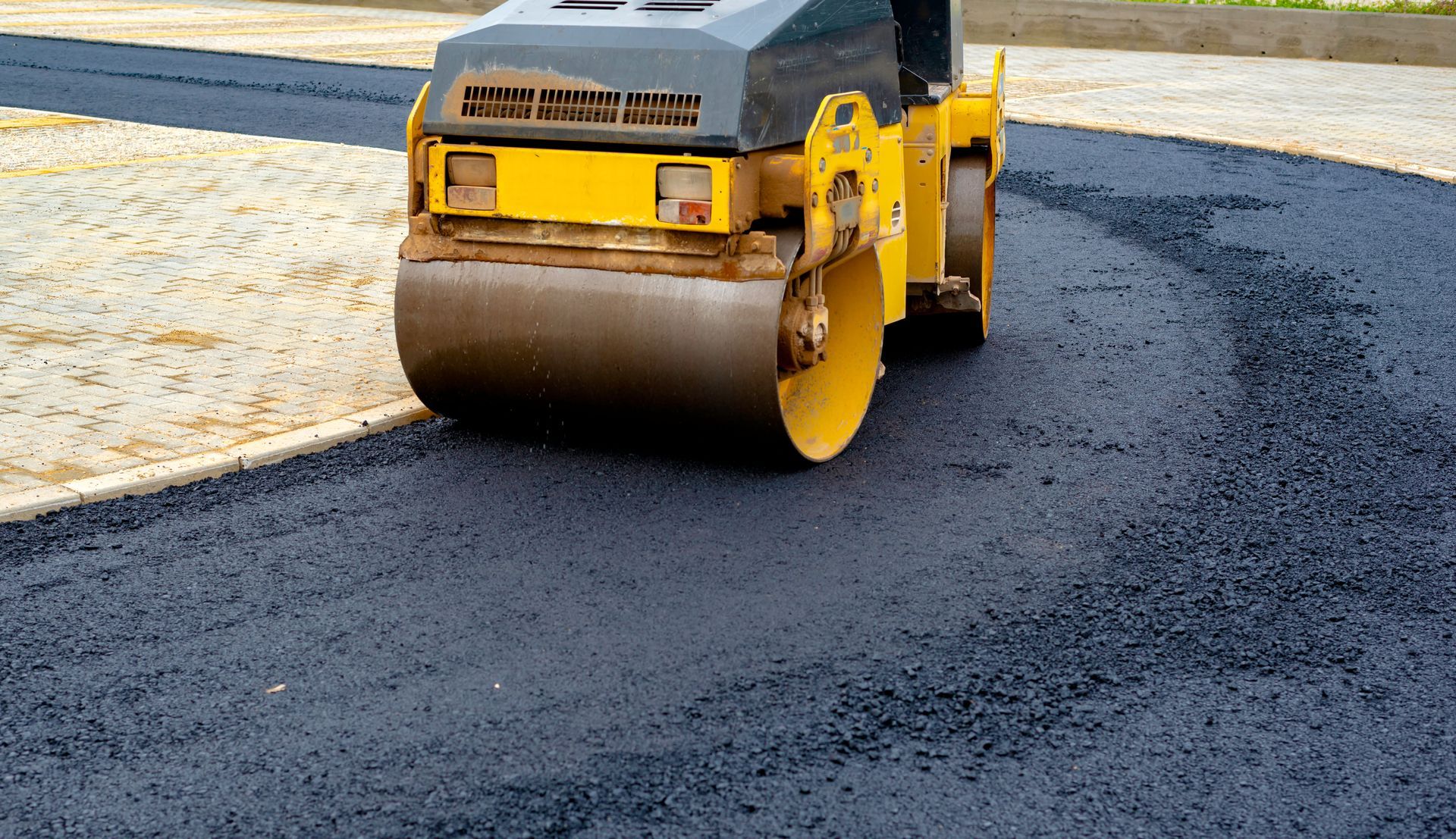
The speed of installation is one of the most appealing reasons paving contractors choose asphalt. Because asphalt can be applied, compacted, and cured rapidly, entire roadways or parking lots can often be completed in a fraction of the time required for other materials. This minimizes downtime for businesses, reduces traffic disruptions, and keeps essential transportation routes accessible. In areas where delays can cause economic impacts—such as commercial zones or commuter corridors—quick installation is a major benefit.
Equally important is asphalt’s efficient repair process. When surface damage occurs, paving contractors can complete repairs quickly, often within hours rather than days. This is especially valuable for municipalities attempting to maintain traffic flow or commercial properties that cannot afford long-term closures. Asphalt’s reparability ensures that small problems do not escalate into large, costly issues.
Advancements in repair technology have improved asphalt maintenance even further. Infrared repair systems, automated patching equipment, and modern rejuvenating treatments allow paving contractors to restore surfaces with precision while minimizing waste. These innovations reduce the need for full surface replacement and help extend the lifespan of asphalt pavements. The ability to execute repairs swiftly and efficiently makes asphalt one of the most practical choices for long-term infrastructure management.
4. Environmental Benefits Driven by High Recyclability
Sustainability has become a leading priority in construction, and asphalt aligns well with environmentally conscious initiatives. One of asphalt’s most notable advantages is its high recyclability. Old asphalt can be reclaimed, processed, and reused in new paving projects, significantly reducing the need for new raw materials. This process, known as RAP (Reclaimed Asphalt Pavement), lowers waste, reduces landfill use, and conserves natural resources. Paving contractors increasingly rely on recycling methods to support eco-friendly construction practices and reduce the environmental footprint of large-scale projects.
Asphalt also offers a lower carbon footprint across its lifecycle. Producing and installing asphalt typically requires less energy compared to alternatives, leading to reduced greenhouse gas emissions. Because asphalt lasts a long time and requires fewer extensive repairs, less energy is consumed over the pavement’s lifespan. This enhances its appeal among paving contractors seeking to balance performance with environmental responsibility.
5. Built-In Safety Features That Improve Road Performance
Safety remains one of the primary concerns for paving contractors and the communities they serve. Asphalt contributes directly to safer roadways through its natural skid-resistant properties. Its textured surface improves traction, helping drivers maintain control even in wet or slippery conditions. This reduced risk of skidding or hydroplaning plays an important role in preventing accidents on busy streets and highways.
Asphalt also provides notable noise reduction benefits. It absorbs sound rather than reflecting it, helping to minimize traffic noise in residential areas, school zones, and urban neighborhoods. Quieter roads contribute to improved quality of life, especially in densely populated environments. For paving contractors working on city infrastructure, asphalt’s ability to lower noise pollution is a significant advantage.
Temperature regulation is another safety-related benefit. Asphalt’s dark surface absorbs heat, helping to melt snow and ice more quickly during winter months. This creates safer driving conditions and reduces the need for extensive salting or plowing. In warmer climates, reflective coatings can be used to keep surfaces cooler.
6. Versatility That Adapts to Nearly Any Paving Application
Finally, paving contractors rely on asphalt because it is exceptionally versatile. Asphalt works well on major highways, residential driveways, commercial parking lots, airport runways, industrial facilities, and rural roads. Its ability to adapt to different project sizes, traffic loads, and environmental conditions makes it a universal solution in both urban and rural settings. Paving contractors appreciate that asphalt can be tailored to meet specific structural requirements, whether a project demands increased strength, greater flexibility, or enhanced durability.
Aesthetic versatility adds to its appeal. Asphalt can be customized in color, texture, and finish to meet unique design goals. From decorative coatings to specialized aggregates, asphalt allows for visual enhancement without compromising functionality. This helps businesses, municipalities, and property owners achieve infrastructure solutions that complement their surroundings.
Asphalt remains a top choice for paving contractors due to its durability, cost savings, quick installation, sustainability advantages, safety features, and unmatched versatility. These critical benefits ensure that asphalt continues supporting infrastructure across residential, commercial, and municipal sectors. With ongoing innovation and decades of proven performance, asphalt stands strong as one of the most reliable materials for modern paving. When you’re ready for high-quality results backed by trusted experts, contact Hot Mix Paving.