Asphalt vs Concrete Driveway: Which One Survives Freeze-Thaw and Road Salt?
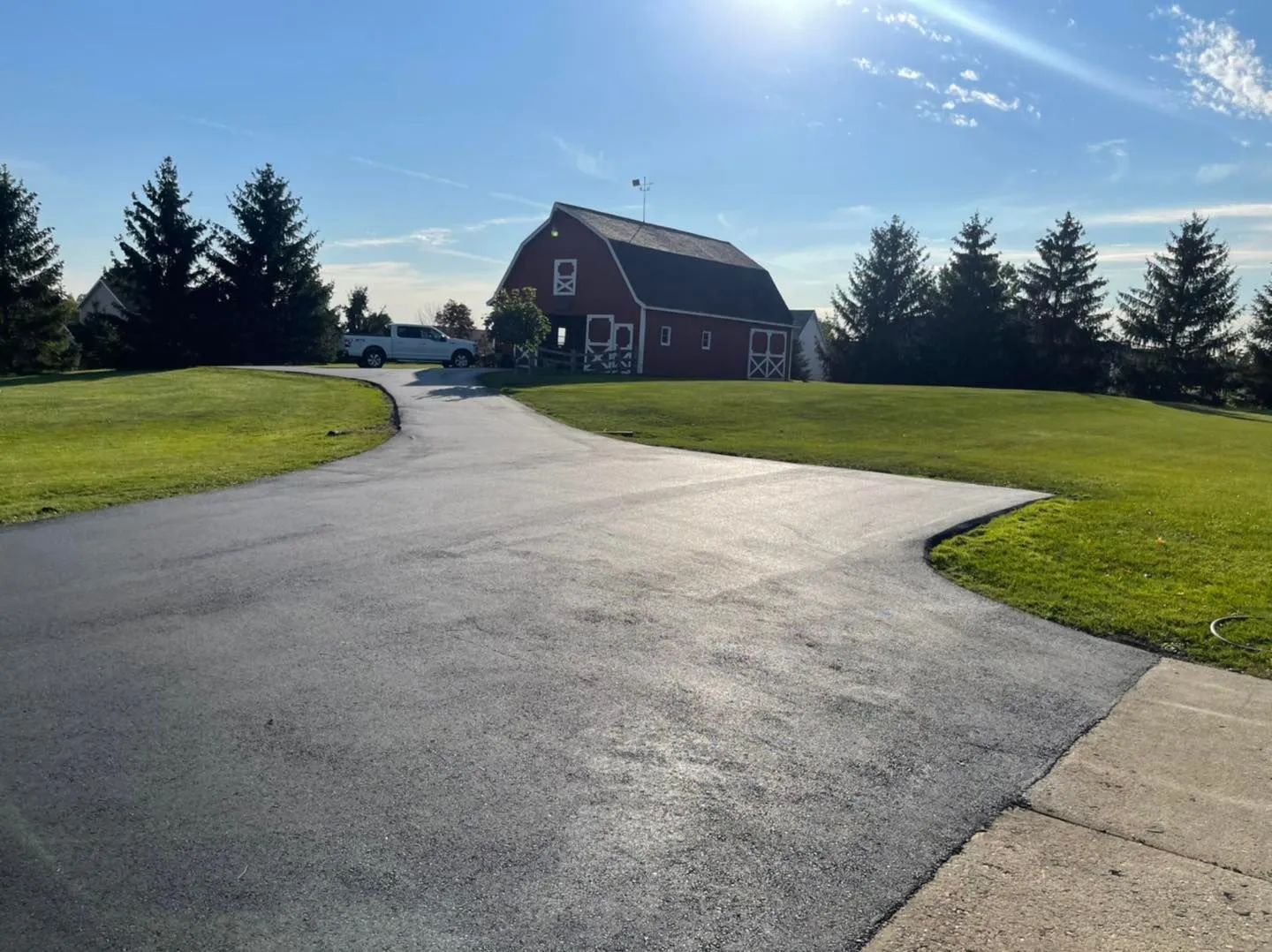
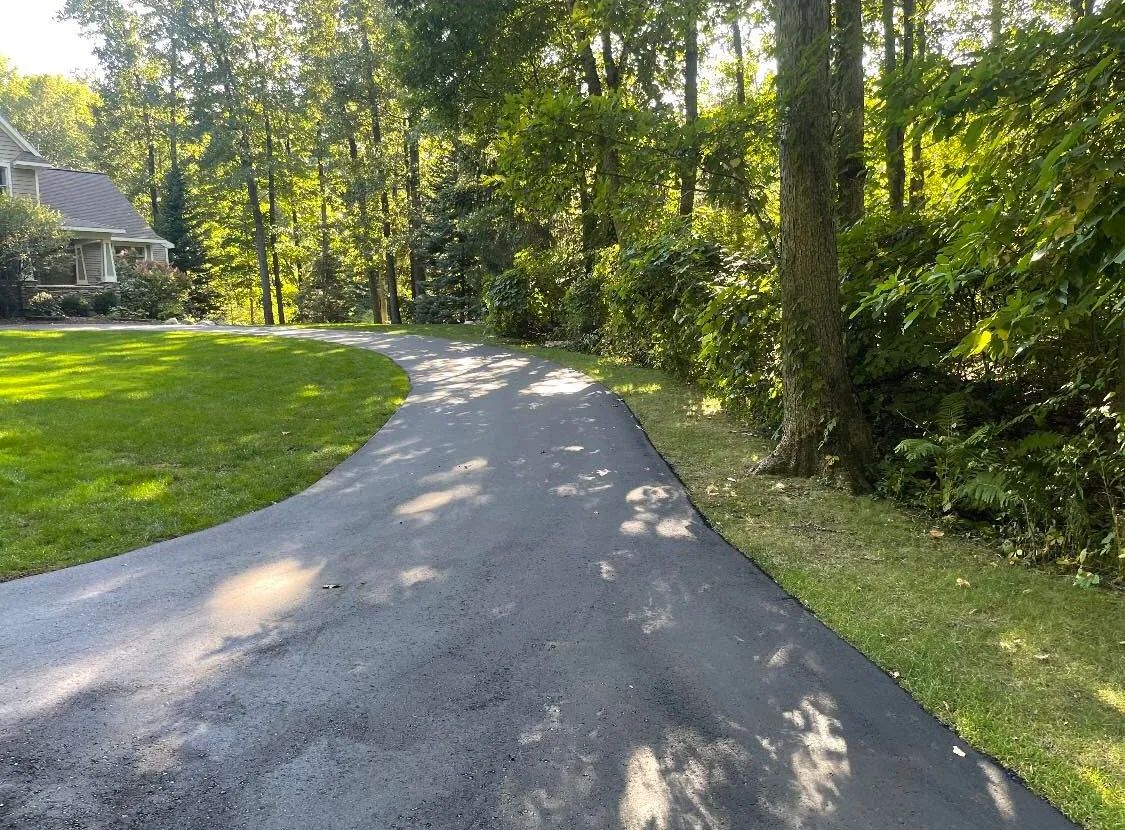
In a climate that swings above and below freezing dozens of times each winter, asphalt usually outperforms concrete for a driveway. Asphalt is a flexible surface that expands and contracts with temperature changes, so it resists the cracking that freeze-thaw pressure forces on rigid concrete slabs. Asphalt also shrugs off road salt, while salt can scale and spall a concrete surface over time. Concrete can still be a strong pick in milder conditions or where a specific look is wanted, but for driveways facing hard winters, snowmelt, and frost heave, asphalt tends to hold up longer and repair far more easily.
You clear the last of the snow off your driveway in March, and there it is. A hairline crack that wandered across the slab over the winter, now wide enough to catch the edge of a snow shovel. A neighbor two doors down has an asphalt driveway that looks the same as it did in October. That difference isn't luck. It comes down to how two very different materials react to the same freeze-thaw beating, the same plows, and the same bags of salt.
If you're weighing an asphalt vs concrete driveway for a home in West Michigan, the deciding factor is rarely the surface on installation day. Both look clean when they're new. The real test is what happens after three or four winters of frozen ground, melting snow, and deicers. Here's how each material takes that punishment, and what actually decides how long your driveway lasts.
Poor drainage is the second most common driver of recurring failure. Water that pools on or under your pavement weakens the base from below. In Grand Rapids and the surrounding Kent County area, clay-heavy soil makes drainage especially problematic. Clay holds moisture instead of allowing it to pass through, which means water sits against the bottom of the base layer for extended periods. When that water freezes, it expands. When it thaws, it contracts. After 10 to 15 freeze-thaw cycles, even a well-built surface begins to fracture.
Subgrade instability is less common but significantly harder to fix. If the native soil beneath the base layer is soft, organic-rich, or was never properly prepared before paving, it will continue to compress under load. This creates low spots, edge cracking, and surface waves that no amount of patching will correct.
Why Cold-Climate Winters Are So Hard on Driveways
Grand Rapids and the rest of West Michigan don't just get cold. The temperature crosses the freezing line back and forth all season, sometimes a few times in one week. That pattern, called the freeze-thaw cycle, is what wears a driveway down.
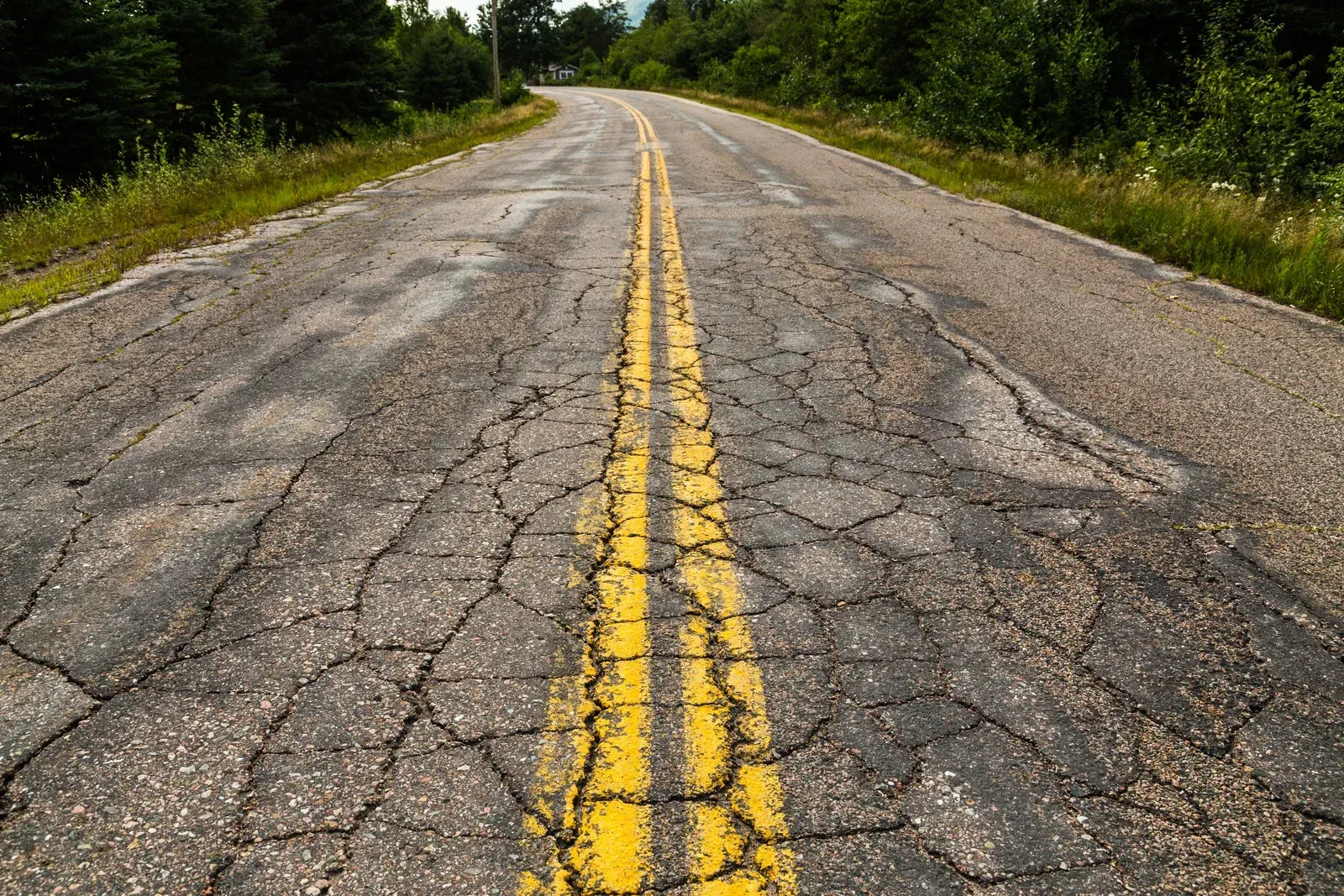
Here's the mechanism. Water works its way into a driveway surface through pores and tiny openings. When the temperature drops, that water freezes and expands. When it warms up, the water melts and the surface relaxes. Then it freezes again. Every cycle pries at the material a little more. Water that reaches the ground beneath the driveway causes a second problem: frost heave. As the moisture in the soil freezes and swells, it shoves upward on whatever sits on top. In spring the ground thaws and settles, and the surface drops back down, often unevenly.
So a driveway here lives with three stresses at once. Freeze-thaw working on the surface, frost heave working from below, and road salt working chemically on the material itself. How well a driveway holds up depends almost entirely on how its surface and its base deal with those forces.
Flexibility: Why Asphalt Bends and Concrete Breaks
The biggest difference between the two materials is how they react to movement.
Asphalt is a flexible pavement
It's built from aggregate bound together with asphalt cement, and that binder lets the surface flex a little as temperatures rise and fall and as the ground shifts underneath. When frost heave lifts a section and the spring thaw drops it again, asphalt has enough give to move with the ground instead of fighting it. That flex is why asphalt resists the wide structural cracks that cold weather forces on stiffer surfaces.
Concrete is a rigid pavement
A concrete driveway is a set of solid slabs. Rigid isn't a flaw on its own, but rigid materials have almost no tolerance for movement. When the ground heaves or settles unevenly beneath a slab, the concrete can't flex to absorb it. The stress has to go somewhere, and it goes into cracks. Contractors even cut control joints into concrete to steer where those cracks form, which tells you cracking is expected, not avoided.
In a warm, stable climate that rigidity barely matters, and concrete performs well for decades. Where the ground freezes, heaves, and thaws every year, flexibility is the trait that keeps a driveway in one piece.
Freeze-Thaw and Frost Heave in Practice
Put the two materials through a real winter and the gap gets wider.
Asphalt handles repeated freeze-thaw cycles better because it can expand and contract without fracturing. Its dark color helps, too. Asphalt soaks up more heat from the sun, so snow and ice melt off it faster, which means less standing meltwater sitting on the surface and refreezing overnight. Less trapped water means less freeze-thaw damage across the season.
Concrete has a rougher time here. It's porous and rigid, so water that soaks into the surface and freezes can push the top layer apart from the inside. Add frost heave shoving unevenly from below, and a concrete driveway is much more likely to crack, lift at the joints, and settle out of level. Once a crack opens in concrete, more water gets in, and the next freeze makes it worse.
Both materials lean on the ground beneath them, and that's where a lot of early failure actually starts. A surface that heaves and cracks in its first few years was usually built on a base that couldn't drain or was never packed down right. A well-built aggregate base spreads weight evenly, moves water away from the surface, and cuts down the settling that leads to cracks. We treat base prep and drainage as the foundation of the whole job, because in freeze-thaw country the base decides how long the surface lasts.
TIP: Grading matters as much as the surface you pick. A driveway pitched to send water toward the street or a drain, instead of letting it pool, sheds meltwater before it can freeze into the surface. Ask any paving contractor how they plan to handle drainage before you talk about anything else.
Road Salt and Deicing Chemicals
Winters here mean salt, and salt treats the two materials very differently.
Asphalt mostly ignores road salt and common deicers. The salt melts snow and ice on top of the surface without chemically attacking the asphalt underneath, so a well-kept asphalt driveway can take years of salting without breaking down.
Concrete is the weaker link. Salt drives more water into the surface and cranks up the freeze-thaw effect right at the top layer. Over time that leads to scaling and spalling, where the concrete flakes, pits, and crumbles away. Deicers can speed up that surface damage, leaving a concrete driveway looking rough and chewed up even when the slab underneath is still mostly sound. For a driveway that gets salted every winter, that gap in salt tolerance piles up season after season.
WARNING: Fresh concrete is especially touchy about deicing salt during its first winter, before it has fully cured. If you do install concrete, keep salt off it that first season and use sand for traction instead. Salt applied too early can kick off the scaling before the surface ever gets a chance to harden.
Repairs and Maintenance Over the Years
No driveway lasts forever without upkeep. But the two materials age very differently, and they aren't equally easy to fix.
Asphalt is built to be maintained
When it starts to show wear, the top layer can often be resurfaced with a new overlay while the base stays put, giving you a smooth surface again without a full tear-out. Cracks and potholes get patched, and sealcoating every few years shields the surface from water, sun, and salt. Repairs blend in reasonably well, and the driveway usually goes back into service fast. That repairability is a big reason asphalt fits a climate that puts a surface through this much stress.
Concrete is harder to fix invisibly
Patching a cracked or spalled slab tends to leave a visible mismatch, and once a slab has structural cracks or has heaved out of level, the fix often means replacing whole sections. Concrete resists surface wear well in the right climate, but when freeze-thaw and salt do get to it, the repair choices are fewer and more disruptive.
There's also the matter of getting back on the driveway. New asphalt cures quickly enough that it can usually take light vehicle traffic within a day or two, weather permitting. Concrete needs a longer curing window before it can carry the same loads. In a region with a short paving season wedged between winters, that faster turnaround is a real, practical edge.
Frequently Asked Questions
Which lasts longer in cold weather, asphalt or concrete?
Asphalt commonly lasts 20 to 30 years in freeze-thaw climates, since its flexibility avoids the cracking that shortens concrete's life here. Concrete lasts long too, but freeze-thaw stress and salt wear it faster. Base quality shapes real lifespan either way.
Does road salt damage an asphalt driveway?
Salt doesn't chemically attack asphalt like it does concrete, so maintained asphalt handles regular salting fine. The bigger risk is water entering unsealed cracks and freezing. Keep cracks sealed and sealcoat on schedule to shrug off winter moisture.
Why does my concrete driveway flake and pit after winter?
That's scaling and spalling, usually from freeze-thaw cycling and deicing salt together. Salt pushes water into the porous surface, and freezing forces the top layer apart. It often shows up on concrete salted before curing or left unsealed.
Can I pave asphalt over an existing concrete or asphalt driveway?
Sometimes, but only if the base underneath is stable and drains well. Heavy cracking, drainage trouble, or heaving usually passes those problems to the new surface. A professional base assessment tells you whether overlay works or a rebuild is needed.
How soon can I drive on a new asphalt driveway?
Asphalt hardens quickly and can take light traffic within 24 to 72 hours, depending on weather. It keeps curing for months, so avoid heavier vehicles and repeated parking spots early on. That fast turnaround suits a short paving season well.
Is asphalt or concrete better for a Michigan driveway?
Asphalt is the stronger match for most West Michigan driveways, flexing with freeze-thaw movement, resisting salt, and repairing easily. Concrete suits decorative finishes or stable ground. Your site, soil, and use determine the best answer.
Choosing the Right Driveway Material
Choosing between asphalt and concrete really comes down to which material fits the winters your driveway must survive. In a climate defined by freeze-thaw swings, frost heave, and months of road salt, a flexible surface on a solid, well-drained base keeps a driveway smooth and crack-free year after year.
With over 20
years of experience serving Grand Rapids, Michigan, Hot Mix Paving MI
has seen that nailing the base work and drainage, staying ahead of small repairs, and choosing the right surface is what makes a driveway earn its keep through West Michigan's toughest winters.